Male Fertility and Freeze Sperm
Many people are aware that female fertility declines with age, but male fertility also changes over time.
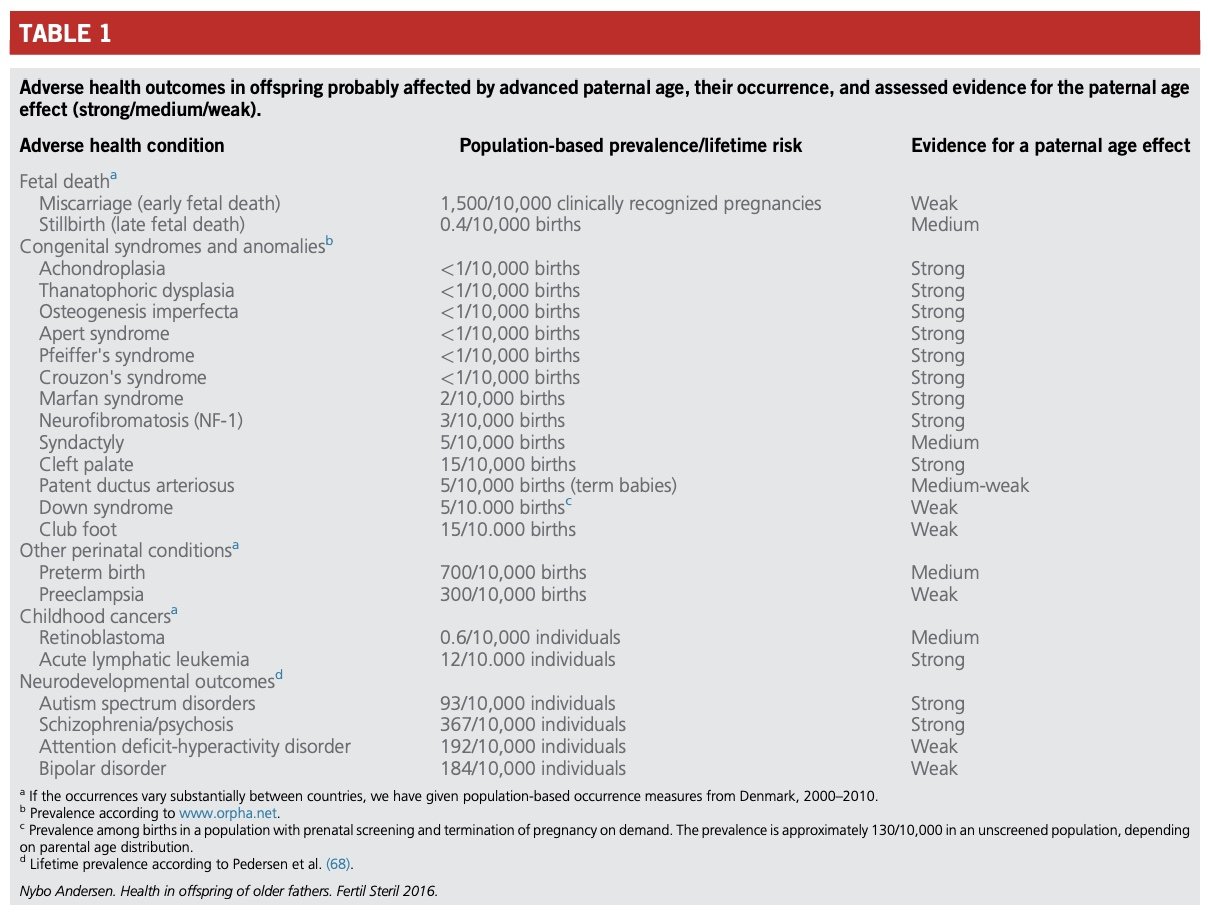
For example, this research(Nybo Andersen AM, Urhoj SK. Is advanced paternal age a health risk for the offspring?. Fertil Steril. 2017;107(2):312-318) states that advanced paternal age is consistently associated with serious health conditions in offspring, including birth complications, genetic syndromes, cancers, and neurodevelopmental disorders such as autism and schizophrenia.
The optimal reproductive age for men is generally between their early 20s and 40s. Since it takes about 120 days for sperm to develop from precursor cells to mature sperm, men who plan to freeze sperm should start preparing 4–5 months in advance to ensure high-quality sperm.
To clarify, spermatogenesis—the process of sperm formation—takes roughly 64–72 days, starting from the germ cells in the testes. After this, sperm spend additional time in the epididymis to mature and gain motility. Altogether, this full cycle from cell to fully mature sperm takes around 3–4 months, which is why early preparation is important.
During this preparation period, maintaining a healthy lifestyle is key: quitting smoking and alcohol, managing weight, and reducing stress. Traditional Chinese Medicine can also provide supportive care during this time.
After sperm collection, laboratory staff cannot judge sperm quality by appearance alone, so multiple collections are recommended, typically spaced about one week apart. This is especially important if the sperm will later be used for procedures like IUI, where a larger amount of sperm is needed, making the benefits of multiple collections outweigh the drawbacks.
